Foundation raising in Kingsland GA - a house that sits higher off the ground
Water keeps reaching your floors, or you've been told your house has to sit higher. We lift it and set it on a taller foundation.
- Licensed and insured.
- Free on-site estimates.
- We respond within 1 business day.
What does it take to raise a house in Kingsland?
Foundation raising in Kingsland, GA lifts your house off its old foundation and sets it higher, so floodwater has farther to rise before it reaches your floors. It's a job measured in weeks, not days, and most of that time goes into planning and prep before the house moves.
Most people who call us about this have either had water in the house or been told their floor needs to sit higher, and they want to know what they're getting into. Three things move the price most: how high the house has to go, what kind of foundation it sits on now and how much other work comes with the lift, such as repairs or new steps. The schedule turns on those same things, plus the permit, the inspections and the weather. My written estimate lays out what's included for your house, so you're not left guessing.
Is foundation raising right for your house?
Water has come inside
If floodwater has reached your floors before, lifting the house puts them higher than they sit now.
You're repairing flood damage
After heavy flood damage, raising the house during repairs often makes more sense than rebuilding at the same height.
You've been given a height
If you've been told your floor has to reach a certain height, raising the house is usually how you get there.
A big remodel is coming
Raising the house before a large addition or remodel lets the new rooms start out at the higher floor.
How we handle foundation raising
Raising a house is a big decision, so I start with what your house sits on now and the height you've been told it needs, and I'll tell you plainly if yours is going to be a harder lift. Before anything goes up, the space under the house has to be cleared, so the crawlspace gets emptied and all the utilities are disconnected, a plumber takes out the pipes and ductwork below the floor and an electrician tacks up or removes the wiring underneath, and I'll walk you through who handles each part. Once the house is up, we set the forms for the new foundation, I check them before any concrete arrives, and the house is set down onto it.
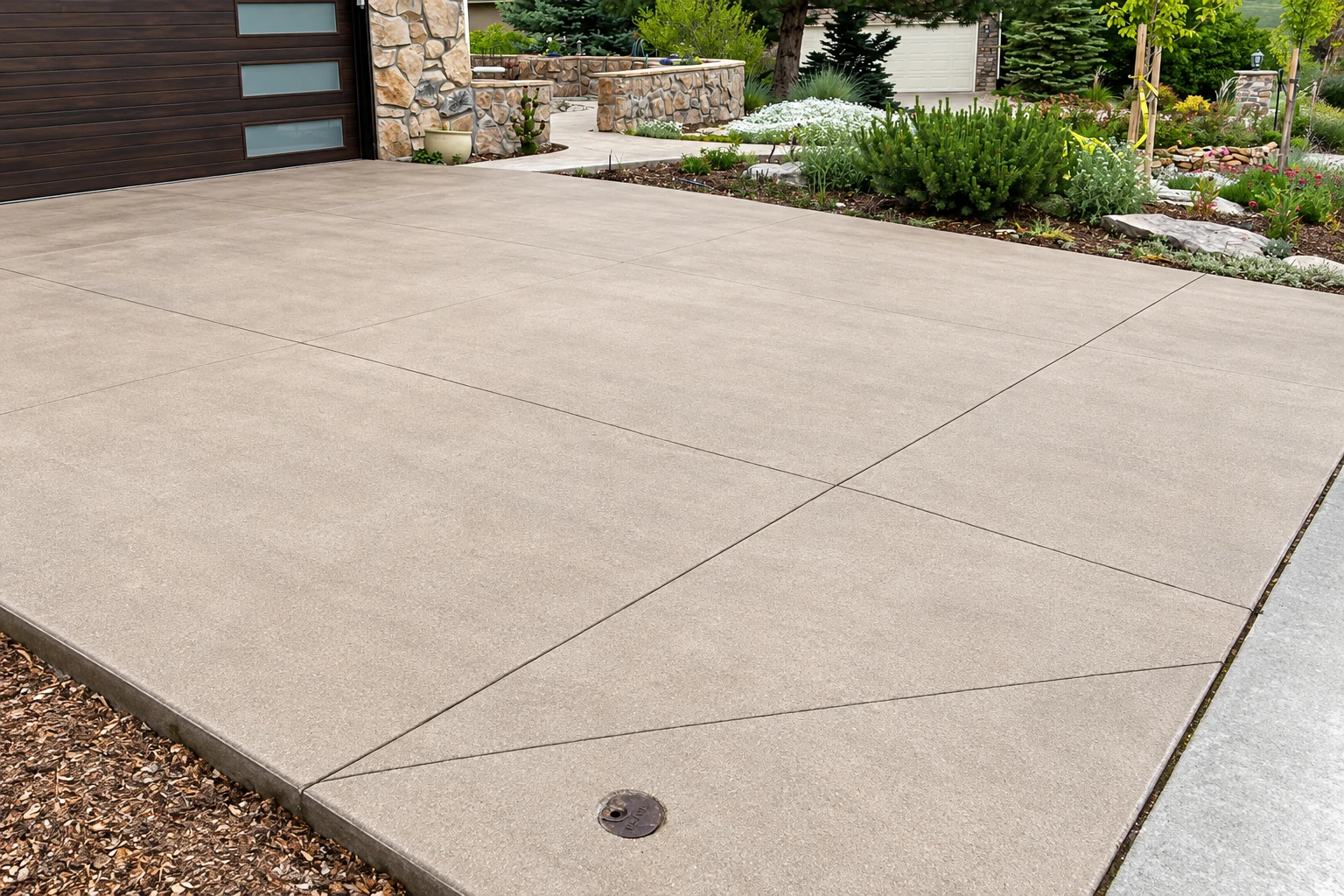
A lift usually touches the concrete around the house, too. If your house sits on a slab, concrete cutting can free the house from it or take out an old pad that's in the way. Once the house sits higher, the old steps and driveway often don't meet it anymore, so we can pour new concrete steps and build a new concrete driveway to match the new height.
Pier-and-beam and crawl space homes
These are usually the least expensive houses to raise, because there's already open space underneath to get under the floor. If your house sits up on piers or over a crawl space, it's often a more straightforward lift.
Slab-on-grade homes
A house built on a slab is harder to raise, because the slab has to be separated from the house or lifted along with it, and that adds engineering and labor. I'll tell you which way your house points once I've looked at it, so the harder parts are in the estimate from the start.
What happens after you call about raising your house?
Call or send the form
Tell us what your house sits on and any flood zone details you already have. We'll set a time for me to come out to the property.
I measure and listen on site
I measure the house and listen to what you need the job to do. You get a written estimate that says plainly what's included, so you can see where the money goes before you decide.
We confirm the right office
Before we set a date, we find out which city or county office covers your address. That way the schedule is built around the office that will review and inspect the work.
Prep, lift and final walk
On the job we set the grade and forms first, and I check them myself before the pour. When the work is finished, we walk it with you before we leave.
What your raised foundation sits on
The height you need usually points the way.
A raised house can sit on continuous foundation walls, on open foundations such as piers, posts or columns, or on built-up fill. Walls close in the space underneath, piers and posts leave it open, and fill raises the ground itself, which usually suits a modest lift on a lot with room to spread it.
My advice is to let the height you need and what the city approves decide it, not how it looks from the street. Once I've measured, I'll tell you which one I'd pick for your house and the reason, so you're choosing with the full picture.
Examples of concrete work
Please take a look through these examples of concrete work, from driveways and patios to steps and foundations, to get a feel for finishes and edges.
Get a written estimate for raising your house
Tell us your foundation type, your address and any flood zone details from the city, and we'll reply within one business day to set up my free visit. The estimate comes in writing, with no pressure to book.
Why Kingsland homeowners call Kingsland Concrete about raising a house
I come out myself
I look at the job myself and write the estimate, and I'm on site with our own small crew while the work is done. You talk to the same person from the first visit to the final walk.
Licensed and insured
Kingsland Concrete is licensed and insured. In Georgia, the State Licensing Board for Residential and Commercial General Contractors handles licensing for the state's general and residential contractors.
Years of building forms
I framed houses and built forms for years before starting this business in 2021, and I learned concrete one pour at a time. That matters on a lift, because a bad grade or a crooked form can't be taken back once the concrete is in.
Based in Kingsland, nearby
Most of our calls come from homeowners in and around Kingsland, so coming out to measure your house is easy for us. When you're ready, please call (912) 456-0139 or use our estimate form.
Questions about raising a house
How much does it cost to raise a house in Kingsland?
Across the US, raising a house usually costs about $20,000 to $100,000 per job, and that's the national market range, not a Kingsland price or ours. Where your house lands depends mostly on how high it goes, what foundation it sits on and how much other work comes with the lift. My written estimate shows what's included for your house.
How long does raising a house take, and can we stay home during the lift?
The whole process takes about 4 to 8 weeks on average, and the lift itself takes 2 to 7 days once the prep is done. Permits, inspections, weather, lift height, foundation type and repairs all shift that. Staying in the house while it's lifted isn't recommended, but your furniture and belongings can stay right where they are.
When does flood damage mean a house has to be raised?
In a community that takes part in the National Flood Insurance Program, a floodplain home that's been substantially damaged has to be raised to the base flood elevation, the flood height on the flood maps, or higher. The local government can require it to go higher still, so learn your required height from the city before you price a lift.
What counts as a substantial improvement under FEMA flood rules?
FEMA calls rebuilding, additions or other improvements that cost 50 percent or more of the home's market value before the work starts a substantial improvement, and the term also covers homes with substantial damage. That matters if you're planning a big remodel on a floodplain lot, because the house may then need to be properly elevated.
What is an Elevation Certificate, and do I need one?
In a flood hazard area, a substantial improvement needs an official record in the community's permit file showing the house is properly elevated, and FEMA encourages its Elevation Certificate as that record. You can also use the certificate when you get flood insurance.
How do I get my yard ready for a house lift?
Mark your well, septic tank and sprinkler system, and ask the utility companies to mark buried gas and electric lines before the equipment arrives. Steps, porches and decks that won't go up with the house come off, and plants that block the equipment get moved or taken out.
Thinking about raising your house?
I'll come out, measure and listen, then give you a written estimate that says plainly what's included.
Work that often comes with a lift
Foundation raising in Kingsland and the cities nearby
The city says Kingsland is subject to flooding because it sits on low coastal plains near rivers, and hurricanes bring storm surge and inland flooding to the county as well. That's the main reason people here raise a house, so the first thing to learn is your flood zone and the height your house needs, and the city's Planning & Zoning department gives out flood map, flood zone and elevation information. Inside the city, the Housing and Development Department reviews plans, issues permits and inspects work against state and local building codes, so that's where we'd confirm whether your lift needs a permit, and we take care of the permit paperwork when the job calls for one.
We're based in Kingsland and work in the cities around it, on both the Georgia and Florida sides of the state line. Houses on low lots near the water bring up the same questions on jobs in St. Marys and Yulee, and outside Kingsland a different city or county office handles the permit, which is why your address comes first.